
Shiori
I clear a path through AI so you don’t get lost
Shiori is written in Spanish.
Why Shiori
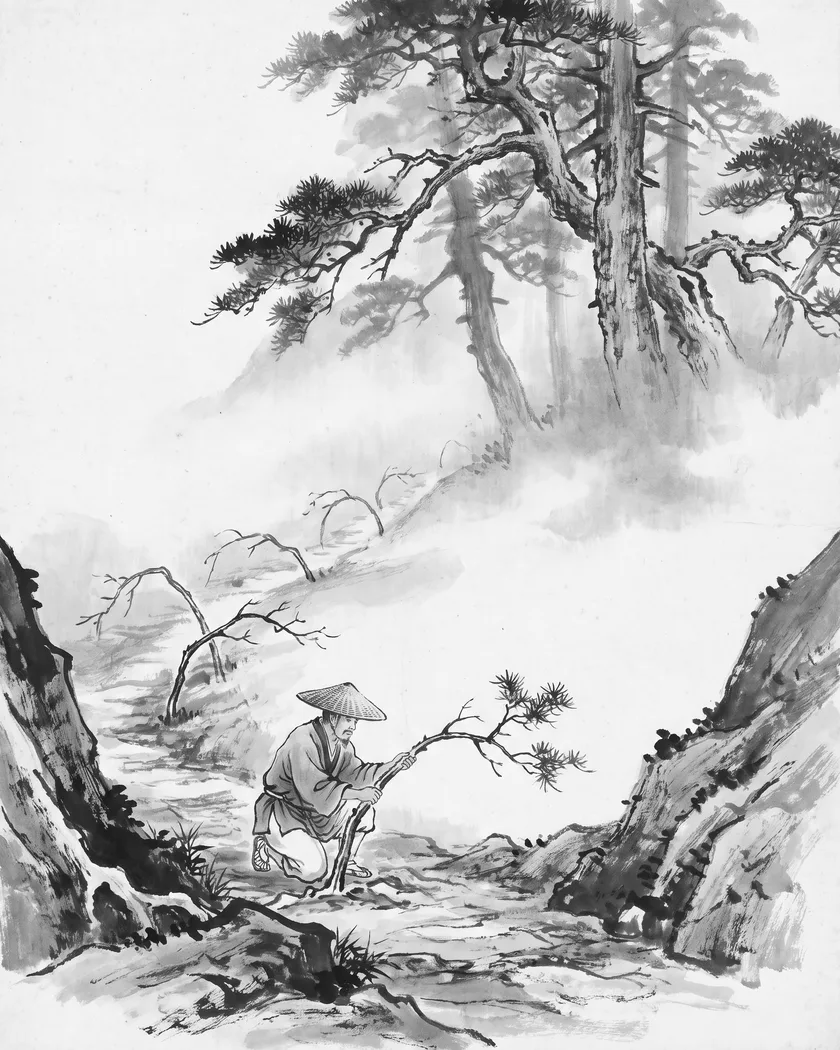
On mountain paths in Japan, whoever walked into the forest bent a branch here and there along the way. He bent it just enough to be noticed and kept walking. The tree stayed alive and the sign stayed there. It helped him find his way back, and it told whoever came behind where it was possible to pass.
That gesture was called shiori, from 枝折り, which joins “branch” and “bend”. Over time the word came down from the mountain and ended up in books. Today shiori is the bookmark you leave between the pages to return to the exact spot, and also the little booklet with the route and the schedule that Japanese students get before a school trip.
The character used to write it, 栞, is Chinese and ancient. It appears in the Book of Documents, in the story of Yu the Great, who tamed the floods of China. To open a road and survey the land, Yu travelled the country following the mountains and cutting trees, and in some versions of the text that “cutting” is written with this character.
With AI we live through a similar flood, only of information. Every week a new tool comes out, and with it a crowd of people explaining how to use it, often without having tried it. It’s very easy to get lost. And someone with a job to get done can’t walk every path to find out which one leads anywhere.
Shiori tries to do what those mountain walkers did. I walk through AI, I get lost now and then and turn back, and where a path leads somewhere I bend a branch so that you, coming behind me, know where it’s possible to pass.
栞